Blog
Ceylon vs Cassia Cinnamon: What Is the Difference?
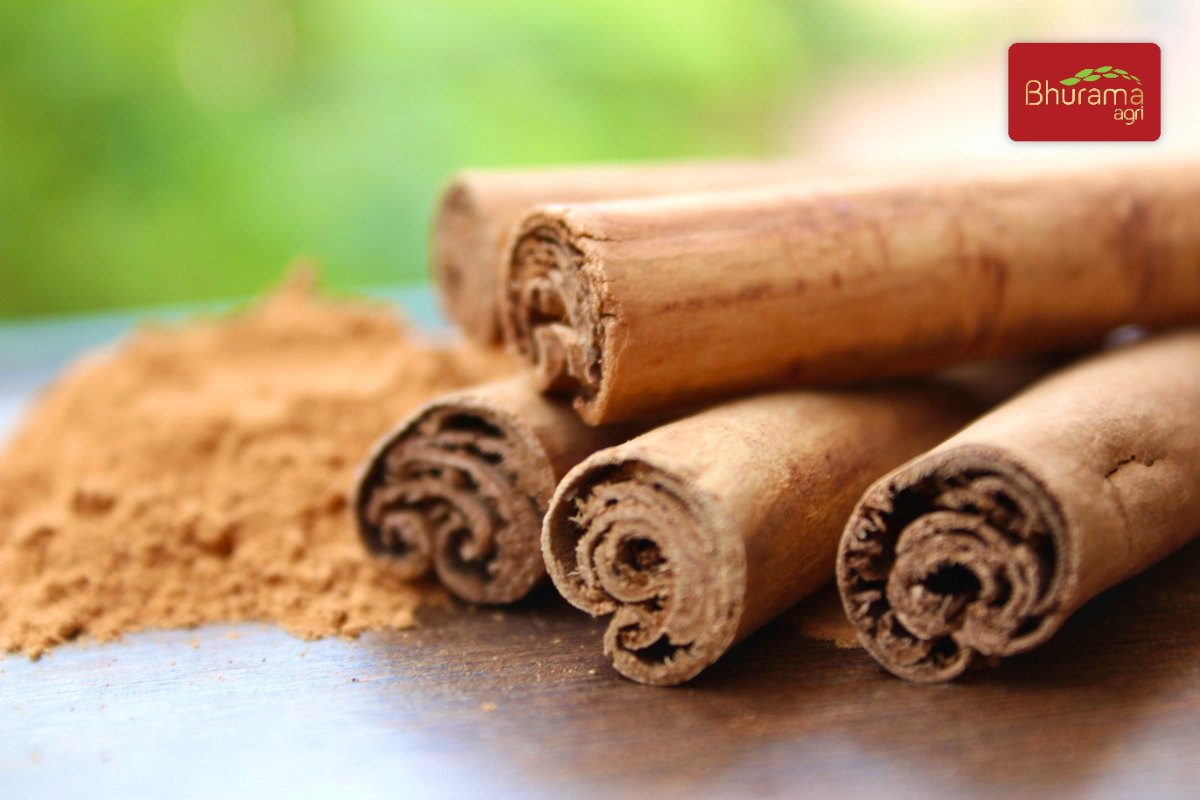
In most Indian kitchens, cinnamon is simply dalchini. But the dalchini sold in most shops is often cassia, not Ceylon cinnamon. The two come from different trees, look different, taste different, and differ in one natural compound that matters if you use cinnamon every day.
This guide explains the difference between Ceylon and cassia cinnamon, how to tell them apart at home, and which one to use for what.
What is Ceylon cinnamon?
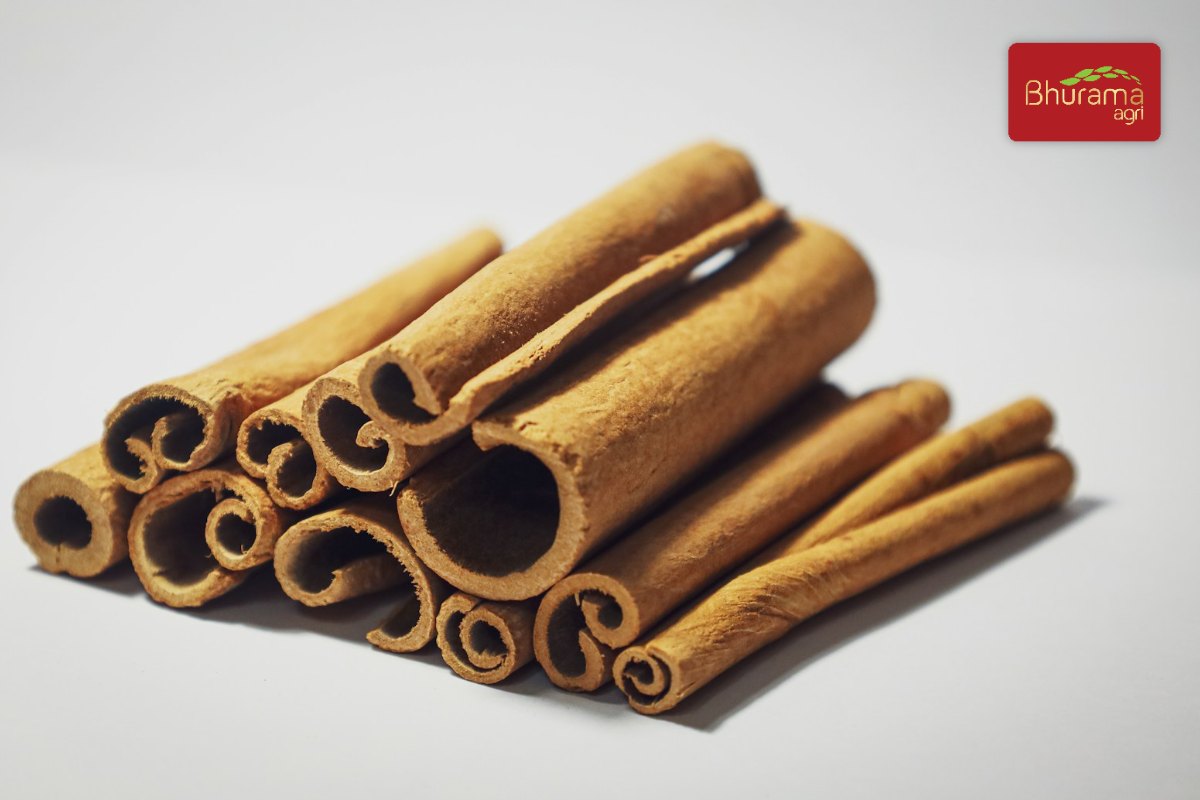
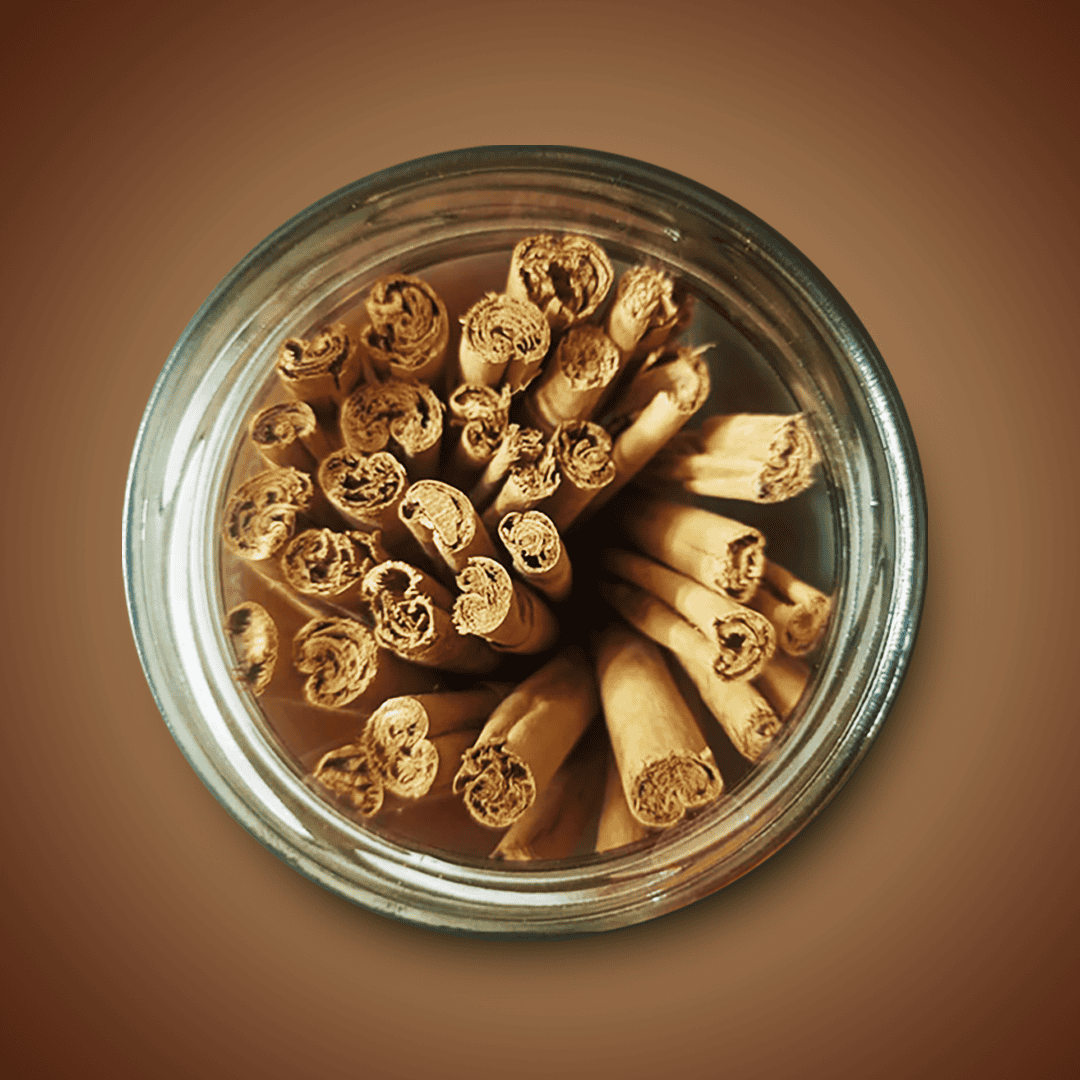
Ceylon cinnamon comes from the inner bark of the Cinnamomum verum tree, which is native to Sri Lanka. It is also called true cinnamon. The bark is peeled in thin sheets and rolled by hand, one inside the other, into a soft quill that looks like a rolled cigar.
It is light tan in colour, with a mild, sweet taste and a light citrus note.
What is cassia cinnamon?
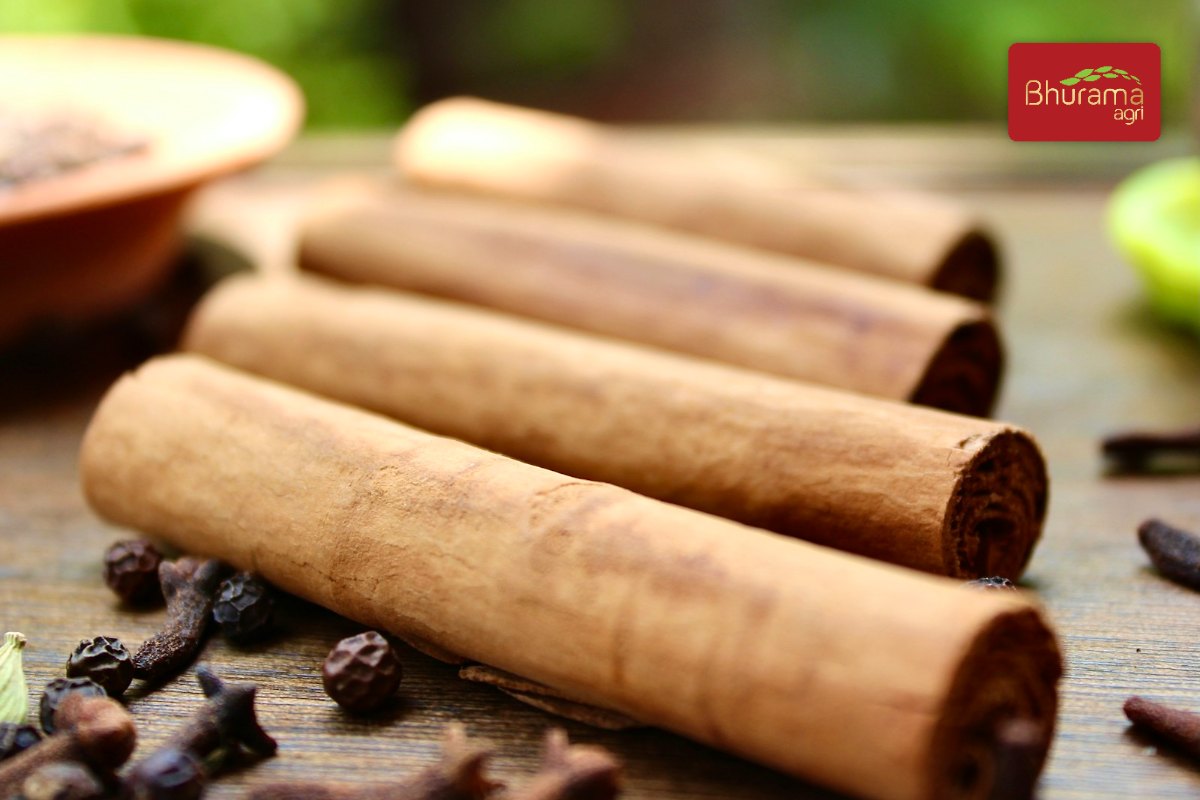
Cassia comes from related trees grown mainly in China, Indonesia and Vietnam. The bark is thicker and dries as a single hard layer that curls inward, leaving a hollow stick.
It is dark reddish-brown, with a strong, sharp, spicy taste. Cassia costs less and is easy to find, which is why most cinnamon sold in shops is cassia.
Ceylon vs cassia cinnamon at a glance
| Ceylon cinnamon | Cassia cinnamon | |
|---|---|---|
| Tree | Cinnamomum verum | Cinnamomum cassia and related trees |
| Mainly grown in | Sri Lanka | China, Indonesia, Vietnam |
| Colour | Light tan | Dark reddish-brown |
| Stick | Many thin layers, soft, crumbles easily | One thick layer, hard, hollow |
| Taste | Mild, sweet, light citrus note | Strong, sharp, spicy |
| Coumarin | Very low | Much higher |
| Price | Higher | Lower |
How to tell them apart at home
- Look at the end of the stick. Ceylon shows many thin layers rolled together. Cassia shows one thick layer with a hollow centre.
- Try to break it. A Ceylon quill crumbles between your fingers. A cassia stick is hard and difficult to snap.
- Check the colour. Ceylon is light tan. Cassia is darker and more red-brown.
- Read the label. Look for “Ceylon cinnamon”, “Cinnamomum verum” or Sri Lanka as the origin. A pack that says only “cinnamon” or “dalchini” is usually cassia.
Powder is harder to judge by eye, so the label and the seller matter more.
The coumarin difference
Coumarin is a natural compound found in cinnamon bark. Cassia contains much more of it than Ceylon cinnamon, which has only very small amounts.
European food safety authorities have set a tolerable daily intake for coumarin of 0.1 mg per kg of body weight. A pinch of cassia in a curry now and then is normal cooking use. But if you take cinnamon every day, in tea, coffee, oats or warm milk, Ceylon is the more sensible choice.
This is general food information and not medical advice. If you have a health condition, please check with your doctor.
Which one for which use?
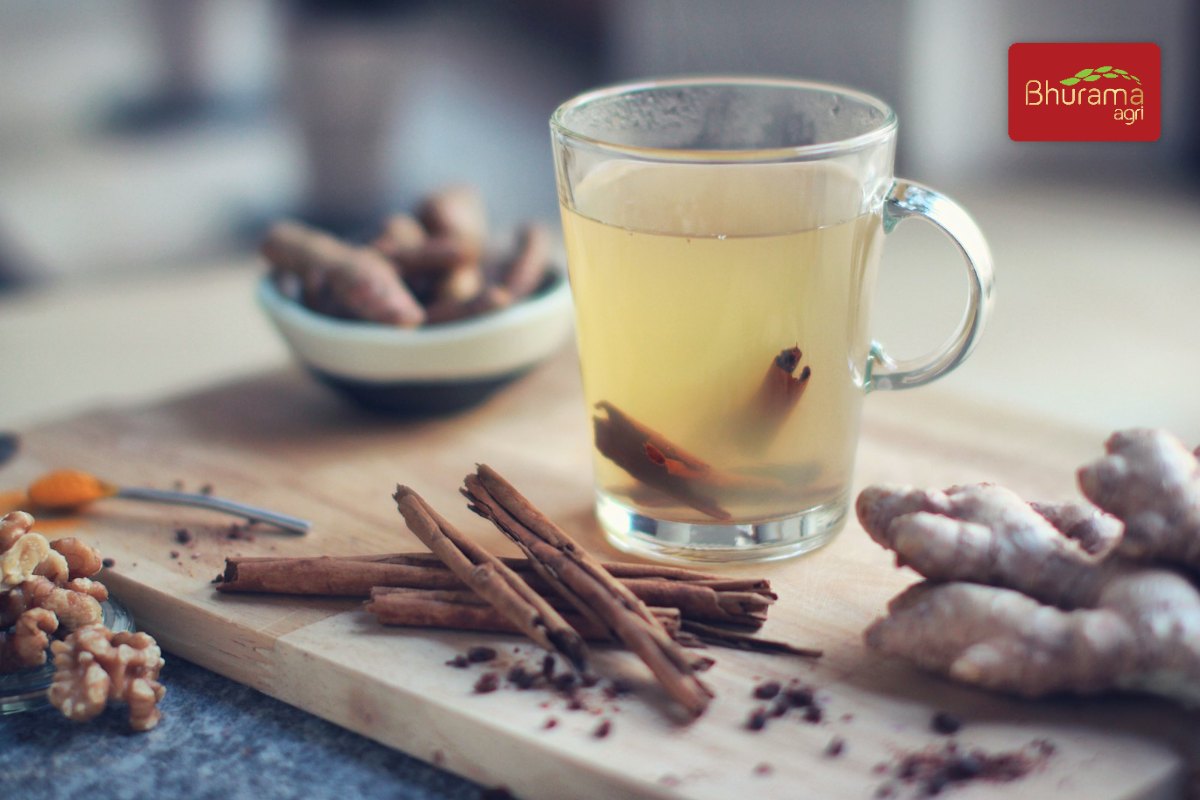
- Daily tea, coffee, oats or warm milk: Ceylon, because you use it every day.
- Cakes, cookies and desserts: Ceylon, for a gentle sweetness that lets other flavours like vanilla come through.
- Biryani, curries and masala blends: either works. Cassia gives a stronger punch. Ceylon gives a softer, rounder aroma.
- Garnish and gifting: whole Ceylon quills look neat and premium.
To swap one for the other, use the same amount. Add a little more Ceylon if you want a stronger cinnamon taste.
What do Alba and H1 mean?
These are grades of Ceylon cinnamon quills, based mainly on how thin and even the quill is. Alba is the slimmest and most prized grade. H1 quills are thicker. Every grade is still true Ceylon cinnamon, so the grade does not change the Ceylon vs cassia answer.
Frequently asked questions
Is dalchini Ceylon or cassia?
Dalchini is the Hindi name for cinnamon and is used for both. Much of the dalchini sold loose in Indian shops is cassia, so check the label for Ceylon or Cinnamomum verum.
Is cassia cinnamon bad for you?
Not in normal cooking amounts. The coumarin point matters mainly for people who take cinnamon every day over a long time.
Why is Ceylon cinnamon more expensive?
The thin inner bark is peeled and rolled by hand, and it grows in a smaller region. That takes more skilled work than cassia.
Can I use Ceylon cinnamon powder in tea?
Yes. Stir a pinch of powder into the cup, or simmer a small piece of quill in water for a few minutes.
How should I store cinnamon?
Keep it in an airtight jar, in a cool and dark cupboard. Whole quills hold their aroma longer than powder.
Try true Ceylon cinnamon
Bhurama agri’s Ceylon cinnamon is natural and farm sourced from Sri Lanka. Choose from Alba grade quills (100g, ₹720), H1 grade quills (100g, ₹425), cinnamon quilling (100g, ₹280) and Ceylon cinnamon powder (200g, ₹295), or see the full Ceylon cinnamon range.
Buying for a restaurant, bakery, cafe or tea brand? See our bulk and wholesale page for larger quantities.