
Blog
10 Vanilla Bean Recipes Beyond Ice Cream and Baking

Ask most people what vanilla is for, and they’ll say ice cream and cakes. That’s a shame, because a real vanilla bean is one of the most versatile ingredients in the pantry — warm, slightly smoky, faintly floral, and far more complex than the one-note “vanilla flavoring” most people know.
Once you’ve got a jar of good Madagascar vanilla pods on hand, the question isn’t really “what can I bake with this?” It’s “what can’t I use this in?” Here are 10 ways to get more out of every pod — well beyond the dessert menu.
1. Vanilla Bean Simple Syrup for Coffee & Mocktails
Split a vanilla pod, scrape the seeds into a saucepan with equal parts sugar and water, drop the scraped pod in too, and simmer for 5 minutes. Strain and bottle — you now have a syrup that upgrades cold brew, lemonade, iced tea, and mocktails instantly. It keeps in the fridge for up to a month.
2. Vanilla Bean Lattes (Better Than the Coffee Shop Version)
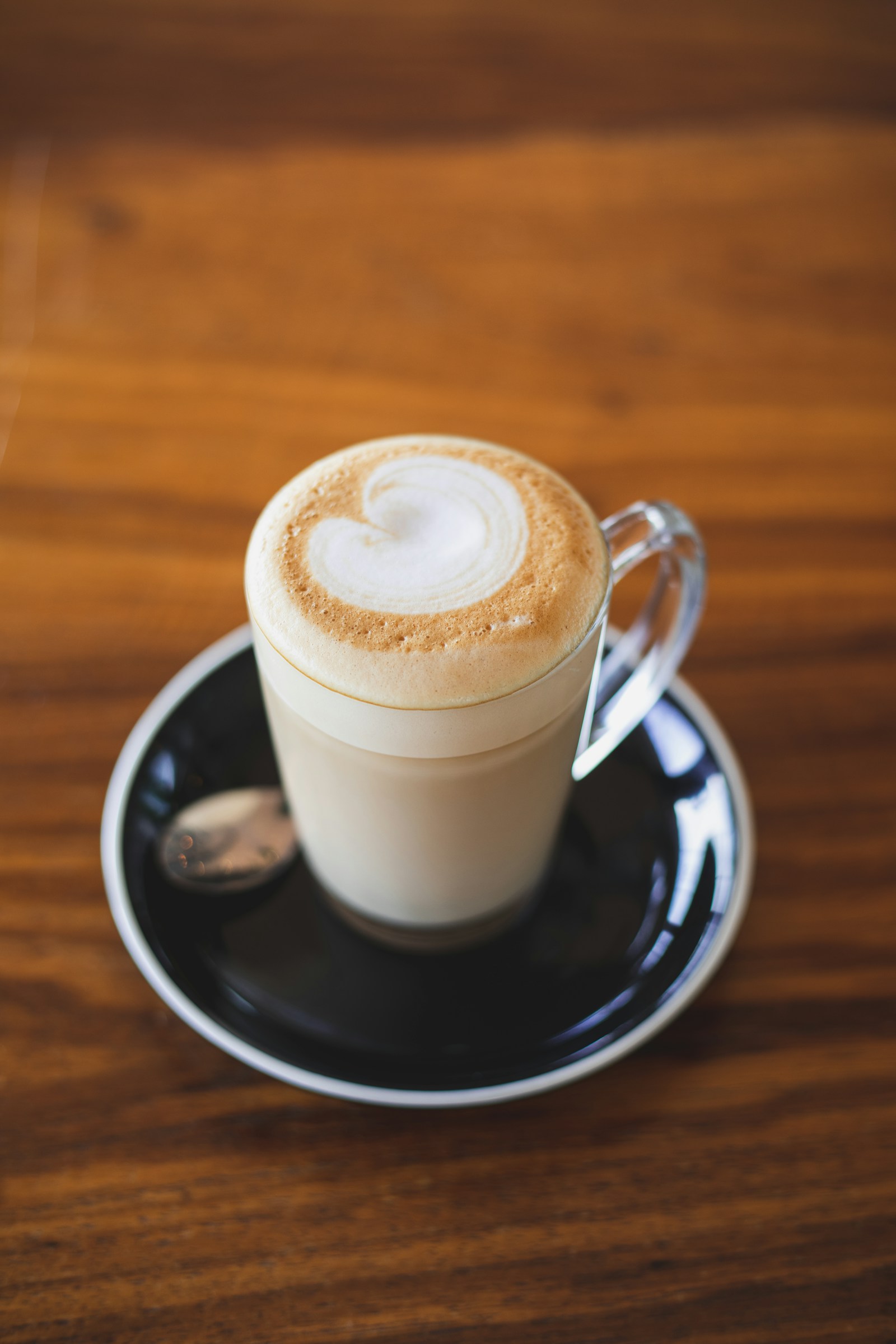
Skip the syrup pump. Steep a split pod directly in warming milk for 5 minutes before frothing — you get real vanilla aromatics instead of vanillin syrup sweetness. Works just as well in matcha lattes and golden milk (turmeric latte) for a rounder flavor.
3. Vanilla-Infused Mocktails
Vanilla pods make a genuinely good mocktail garnish and infusion base. Drop a split pod into a jug of fresh lemonade or cold-brew tea and let it sit in the fridge overnight — it rounds out sharp citrus and adds warmth without any added sugar. Great in a sparkling lemonade, a virgin mojito, or a simple vanilla iced tea.
4. Roasted Vegetables with Vanilla Salt
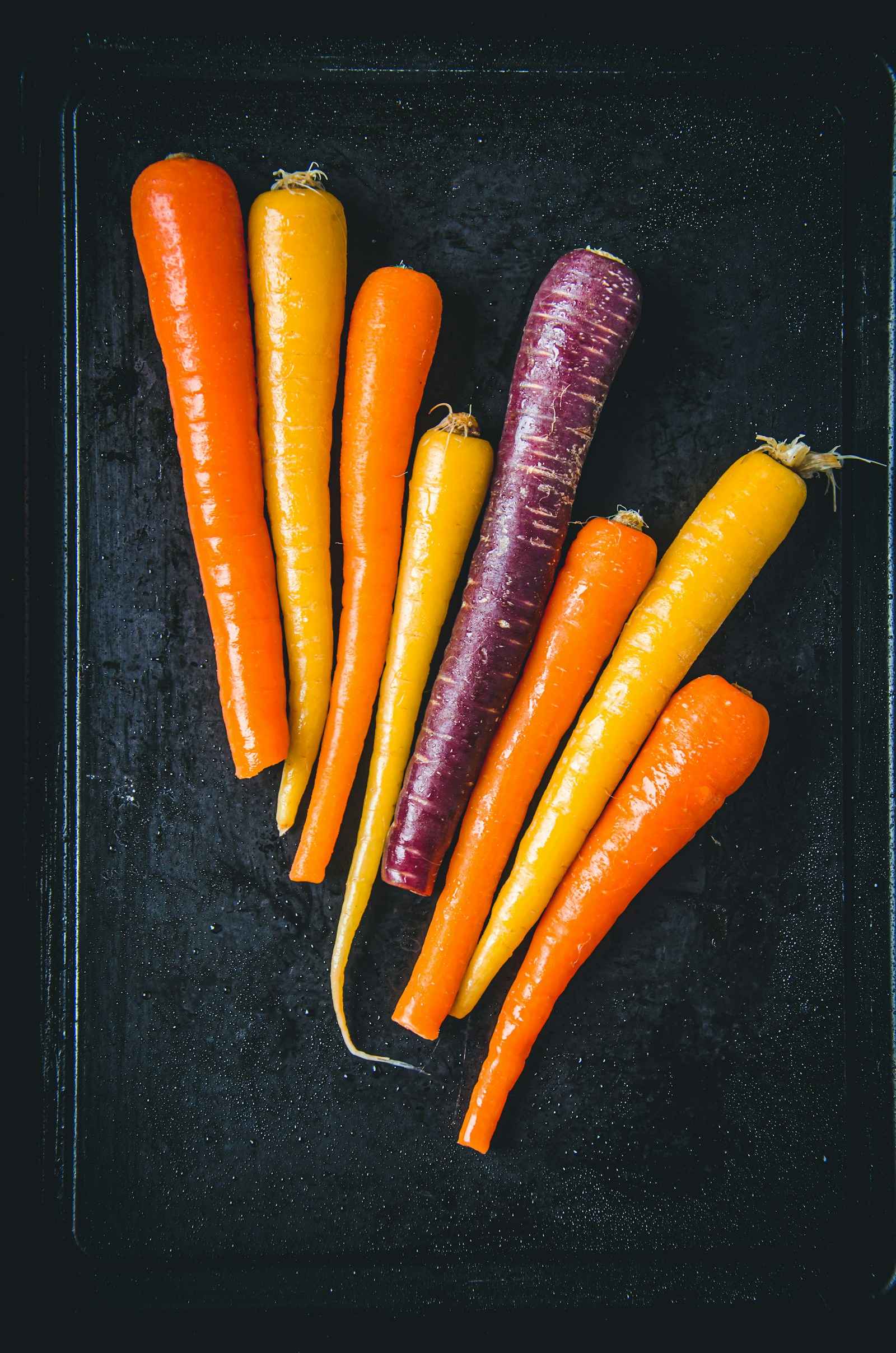
This is the one that surprises people most. Vanilla isn’t just sweet — its warm, slightly smoky depth pairs beautifully with roasted carrots, sweet potatoes, and butternut squash. Make vanilla salt by scraping seeds from a used (already-steeped) pod into flaky sea salt, then toss roasted root vegetables in it right before serving. It reads as “something’s different and I love it,” not “this tastes like dessert.”
5. Vanilla Butter for Seafood
Whip softened butter with vanilla seeds from half a pod, a pinch of salt, and a squeeze of lemon. Melt a spoonful over grilled scallops, pan-seared fish, or roasted lobster tail. Vanilla has long been used in French seafood sauces (think vanilla beurre blanc) — this is a simplified, faster version of the same idea.
6. Vanilla-Poached Fruit
Poach pears, peaches, or apples in a light syrup with a split vanilla pod, a strip of citrus peel, and a cinnamon stick. Serve warm with yogurt for breakfast, or with a spoon of mascarpone for a low-effort dessert that doesn’t touch the oven.
7. Vanilla Bean Sugar
The easiest entry point of all: bury a used or fresh vanilla pod in a jar of sugar and let it sit for a week or more, shaking occasionally. The sugar absorbs the aroma and can be used in coffee, baking, or sprinkled over fruit. It’s also a lovely homemade gift when jarred and labeled.
8. Vanilla Honey
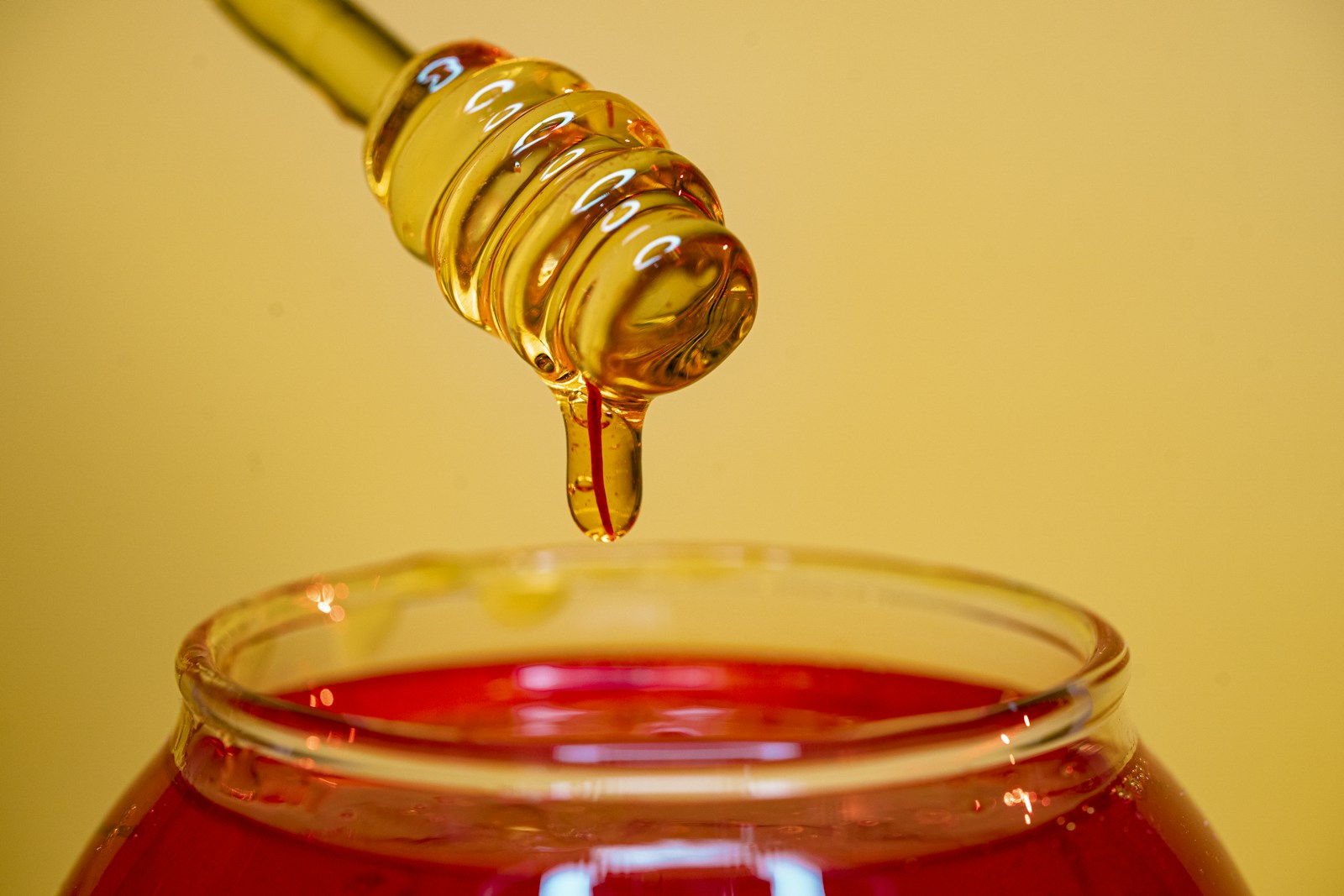
Same idea as vanilla sugar, but with honey. Split a pod, submerge it in a jar of raw honey, and let it infuse for at least two weeks. Use it to sweeten tea, drizzle over paneer or fresh cheese, or stir into salad dressings for a subtle floral note.
9. Vanilla Bean Vinaigrette
Whisk vanilla seeds into a Dijon vinaigrette (olive oil, white wine vinegar, mustard, a touch of honey) for a dressing that works surprisingly well over roasted beet salads, grain bowls, or citrus salads. It sounds unusual until you taste it — vanilla adds roundness the way a pinch of sugar does, but with far more character.
10. Vanilla-Infused Oil for Finishing
Warm neutral oil gently with a split, scraped vanilla pod for 10–15 minutes (don’t let it fry), strain, and bottle. Use it as a finishing oil over grilled fruit, drizzled on oatmeal, or brushed onto warm cornbread. A little goes a long way.
How to Choose the Right Vanilla Pods for These Recipes
For infusions, syrups, and pantry projects, you don’t need to spend on the most expensive Grade A pods — Grade B vanilla (slightly drier, often shorter or split pods) works just as well and costs less, since you’re extracting flavor rather than using the pod whole for presentation. Save Grade A pods for recipes where the pod or its seeds are visible in the final dish, like vanilla bean ice cream or crème brûlée.
If you’re going through vanilla quickly for a home kitchen, café, or bakery, buying vanilla beans in bulk is significantly more cost-effective than picking up one or two pods at a time from a supermarket.
Storing Vanilla Pods Between Uses
Keep pods wrapped tightly in plastic wrap or in an airtight container, away from light and heat. Properly stored, they last 1–2 years — and even a “used” pod (after scraping the seeds) still has plenty of flavor left for infusions, sugars, and syrups. Never throw away a scraped pod; it has at least one more use in it.
Frequently Asked Questions
Can I use vanilla extract instead of whole pods for these recipes?
For syrups, lattes, and infused sugars, extract works in a pinch, but whole pods give a rounder, more complex flavor and work better for savory applications like vanilla salt or vanilla butter, where you want the actual seeds and aromatic oils.
Does vanilla actually work in savory food, or is that just a gimmick?
It genuinely works. Vanilla has natural warm, woody, slightly smoky notes beneath the sweetness most people associate with it — that’s why it pairs well with roasted vegetables, butter sauces for seafood, and even some meat marinades. French and Mexican cuisines have used it this way for generations.
How long do vanilla infusions (sugar, honey, oil) last?
Vanilla sugar and honey keep indefinitely at room temperature since both are naturally low-moisture, shelf-stable bases. Vanilla-infused oil should be used within 2–3 weeks and kept refrigerated, since infused oils can support bacterial growth if left at room temperature too long.
What’s the difference between Grade A and Grade B vanilla for cooking?
Grade A pods are moister, longer, and better for recipes where the pod or seeds are visible in the finished dish. Grade B pods are drier and slightly less plump but have equally strong flavor — ideal for infusions, extracts, and syrups where the pod is strained out.
Try It Yourself
Start with whichever recipe uses what’s already in your kitchen — vanilla sugar and vanilla simple syrup are the easiest entry points and need almost no extra ingredients. From there, the roasted vegetables and vanilla butter are the two that tend to convert the biggest skeptics.
Looking for consistently high-quality vanilla pods for your kitchen? Browse our Madagascar vanilla pods and powder, or get in touch for bulk pricing if you’re cooking, baking, or infusing at scale.